.png)

Understanding Laser Treatments for All Skin Tones but Limited Hair Colors
Laser hair removal has become a popular choice for long-term hair reduction. Many people wonder if this treatment works equally well for all skin tones and hair colors. The answer is nuanced: laser technology can effectively treat every skin tone, but its success depends heavily on hair color. This post explains how laser treatments work across different skin tones and why hair color plays a crucial role in the outcome.
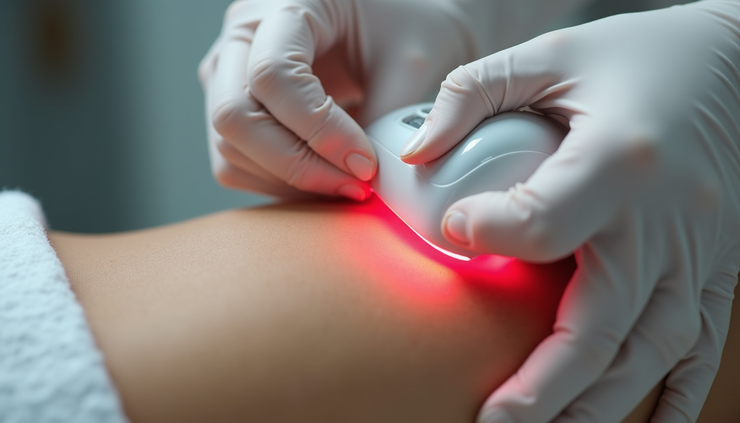
Laser hair removal device targeting skin with various tones
How Laser Hair Removal Works
Laser hair removal uses concentrated light beams to target hair follicles. The laser emits a specific wavelength absorbed by melanin, the pigment in hair. This absorption heats the follicle, damaging it enough to reduce or stop hair growth without harming the surrounding skin.
The key to this process is the contrast between the pigment in the hair and the pigment in the skin. The laser targets melanin in the hair, so the more melanin present, the more effective the treatment.
Why Skin Tone Does Not Limit Laser Effectiveness
Advances in laser technology have made it possible to treat all skin tones safely and effectively. Earlier laser systems worked best on lighter skin because the contrast between dark hair and light skin was easier to target. However, newer lasers use longer wavelengths that penetrate deeper and bypass melanin in the skin, focusing on the hair follicle instead.
Lasers such as Nd:YAG and diode lasers are designed to work on darker skin tones by minimizing skin damage while still targeting hair follicles. This means people with darker skin can now benefit from laser hair removal with reduced risk of burns or discoloration.
Examples of Lasers Suitable for Different Skin Tones
Alexandrite laser: Best for light to olive skin tones.
Diode laser: Effective for light to medium-dark skin tones.
Nd:YAG laser: Safest for darker skin tones due to its longer wavelength.
Why Hair Color Limits Laser Hair Removal
While skin tone is no longer a major barrier, hair color remains a significant factor. Laser hair removal depends on melanin in the hair to absorb the laser energy. Hair colors with less melanin or different types of melanin respond poorly to laser treatment.
Hair Colors That Respond Well
Dark brown and black hair: High melanin content makes these hair colors the most responsive to laser treatment.
Deep auburn hair: Contains enough melanin to respond moderately well.
Hair Colors That Respond Poorly
Blonde hair: Low melanin makes it difficult for the laser to target follicles effectively.
Red hair: Contains a different type of melanin (pheomelanin) that absorbs laser energy less efficiently.
Gray or white hair: Lack of melanin means laser treatment is usually ineffective.
What This Means for Different Individuals
People with dark hair and any skin tone generally see the best results from laser hair removal. Those with lighter hair colors may need alternative methods or expect less dramatic results.
Case Study Example
A 35-year-old woman with dark brown hair and medium skin tone underwent six laser sessions using a diode laser. She experienced a 75% reduction in hair growth after treatment. In contrast, a man with blonde hair and light skin tone saw only a 20% reduction after the same number of sessions.
Tips for Maximizing Laser Hair Removal Success
Choose the right laser: Consult a professional who can select the best laser type for your skin tone.
Avoid tanning before treatment: Tanned skin can increase the risk of side effects.
Follow pre- and post-treatment care: Proper skin care improves results and reduces complications.
Be realistic about hair color: Understand that lighter hair colors may require more sessions or alternative treatments.
Alternatives for Light or Gray Hair
For those with hair colors that do not respond well to laser, other options include:
Electrolysis: Uses electric current to destroy hair follicles and works on all hair colors.
Depilatory creams: Temporary hair removal but no long-term reduction.
Waxing or shaving: Temporary solutions without permanent effects.


Comments